Wasps appear around gardens, bins, fruit, flowers, sheds and open windows, and one wasp flying through the kitchen does not always mean there is a nest nearby.
The signs become more useful when wasps keep returning to the same place. A repeated flight path usually tells you more than one random wasp near a drink.
This article by Clear Pest Control explains how wasp nests start, where you are most likely to find them, why early-season removal matters, and how to tell when normal wasp activity is turning into a problem.
Wasp Nest Formation and Queen Activity

Image by @Romina BM
In spring, you may notice a queen wasp in the UK when she comes out of hibernation and starts searching for a sheltered place to build.
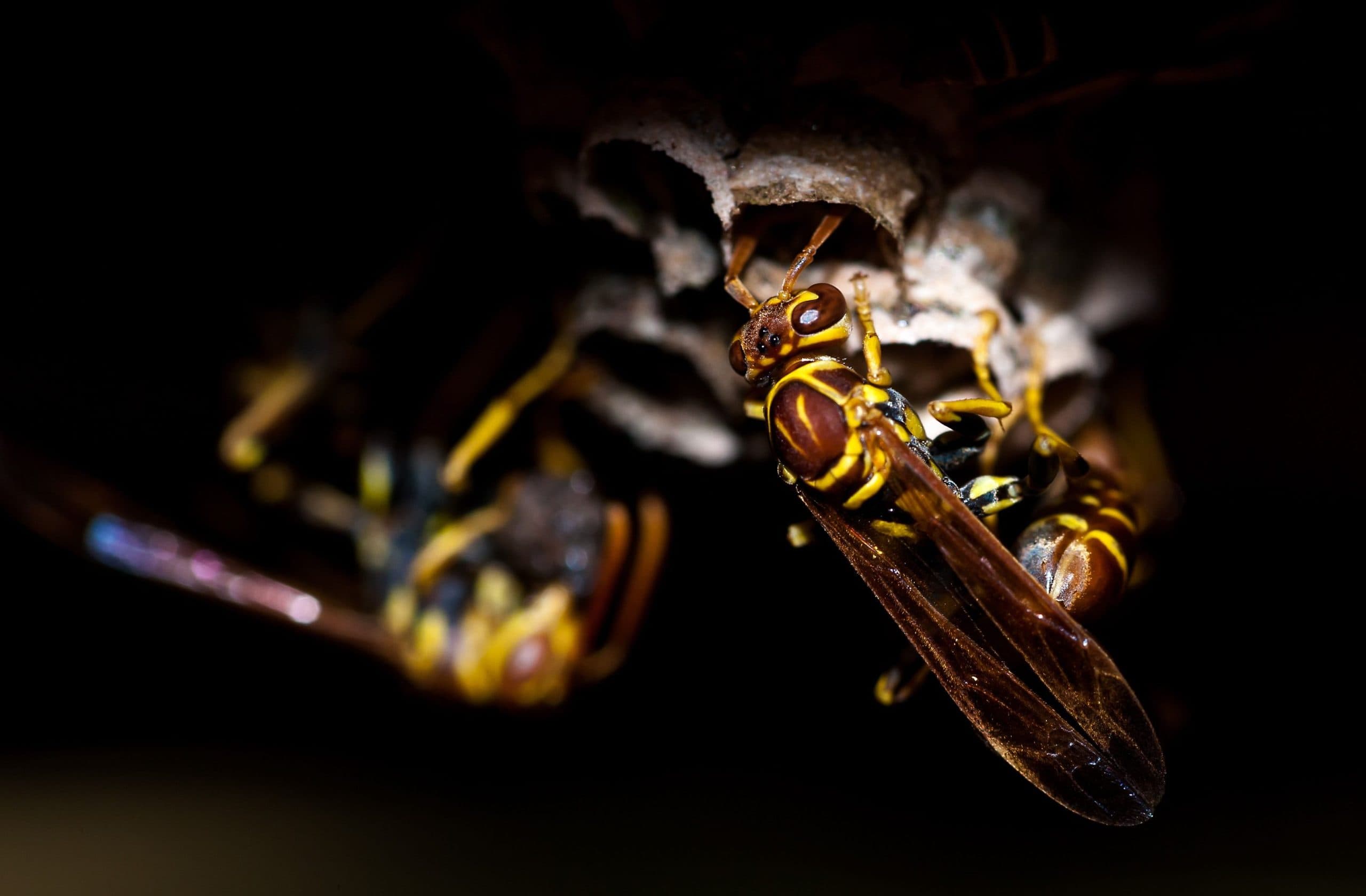
The Natural History Museum explains that a queen starts the nest using chewed wood mixed with saliva. This creates the paper-like structure where the first eggs are laid and the first workers develop.
A nest can begin quietly, but it can grow quickly once the first workers are active. BPCA’s wasp life-cycle guidance explains that once the queen has several worker wasps, she remains in the nest and continues laying eggs while the colony grows.
A single wasp you see indoors may be accidental, but repeated movement around one outdoor access point can suggest something more organised.
Types of Wasps Homeowners May Notice
When people talk about the types of wasps UK homes commonly attract, they are usually thinking about social wasps that build nests and live in colonies.
Not every wasp in the garden is a nest problem. Some wasps are solitary, and others may simply be feeding, hunting smaller insects or passing through. The Wildlife Trusts describes the common wasp as both a pollinator and a natural pest controller.
Seeing a common wasp in the garden matters less than noticing a clear flight path into a roof, wall, shed or ground hole. The wasp type matters, but the pattern matters too. If activity is focused around one access point, the nest location becomes the next thing to check.
Common Wasp Nest Locations Around a Property
Different wasps may use different spaces, but nest activity around the home often appears near rooflines, eaves, loft spaces, sheds, garages, wall gaps, air bricks, trees, hedges, garden banks or holes in the ground.
The repeated entry point is usually the clearest sign of a nest. A wasp on the patio may be feeding. Wasps travelling in and out of the same roofline gap every few minutes are doing something more organised.
Common wasps can live in gaps in houses and roofs, and their nests are made from a paper-like material created by chewing wood. In older properties or roofline spaces, wasp removal in Newcastle upon Tyne often begins with locating the exact access point rather than following every individual wasp.
Early Season Wasp Nest Removal and Timing

Image by @Chris F
Early season nests are usually smaller, quieter and easier to assess. Later in the year, worker numbers can increase, the flight path becomes more obvious, and the nest may be harder to avoid.
Early removal matters because a small nest can become a larger, more defensive colony later in the season. A second queen wasp UK sighting around a shed, loft or roofline can be a useful clue that nesting activity is starting rather than fully established.
For sheds, roof spaces and garden structures, wasp nest removal in North Tyneside is usually easier to discuss when the nest is found early. Waiting until activity is heavy can make the area harder to use safely, especially near doors, paths, pets or children.
Early action does not mean rushing in with a spray. It means confirming whether there is a nest, where it sits, and whether it is likely to become a problem as the season develops.
Wasp Nests and Property Damage
A nest inside a wall, loft or roof space can sound worrying, especially when wasps are repeatedly entering the same part of the building. The concern is usually not that the nest is “eating” the house, but that it is hidden in a place where access, disturbance and safety become harder to manage.
Can a wasp nest damage a house in the UK? Usually, the main concern is not structural damage in the same way as damp, rot or woodworm. Wasps build papery nests from chewed wood and saliva, so the bigger issue is where the nest has been built and what happens if it is blocked, disturbed or difficult to reach.
A wasp nest in a wall, loft or roof void should not be sealed while active. Blocking the entrance can trap wasps inside and may push activity further into the building. In many cases, people cause more damage by trying to reach the nest themselves than the nest would have caused on its own.
If wasps are entering the building fabric, the safest step is to identify the access point, check how active the nest is, and decide whether professional removal is needed.
Wasp Stings
A wasp sting is the usual concern when someone gets hurt by a wasp. Wasps can sting when they feel threatened, when they are trapped, or when activity near a nest is disturbed. A wasp sting can cause pain, redness, swelling and itching around the affected area.
NHS guidance on insect bites and stings explains that symptoms can often be managed with simple care, but medical help is needed if there are signs of a serious allergic reaction or if symptoms become worrying.
Extra care is needed around people with known allergies, young children, pets, outdoor workers and customers at business premises. Where stings are likely because the nest is hard to avoid, the issue has moved beyond a casual garden sighting.
Wasp Bites
A wasp bite is less accurate for most home encounters, but the concern behind the phrase is still valid. If someone has a painful or swollen mark after being near wasps, the important thing is to watch the reaction and follow sensible first-aid advice.
If swelling spreads, the area becomes hot or infected, breathing becomes difficult, dizziness occurs, or there is swelling around the face or mouth, medical advice should be sought quickly.
If marks appear overnight or repeatedly indoors, it may not be wasps at all. In that case, the better question is whether another pest, skin irritation or a medical issue could be involved.
Wasp Nest Warning Signs Around the Home

Image by @Becka H
The types of wasps UK homeowners notice are less important than the pattern when activity starts building around one place. A wasp nest becomes a problem when its location increases sting risk or makes part of the property difficult to use.
Warning signs include wasps repeatedly entering one gap, increased activity around rooflines or sheds, wasps appearing indoors, a visible nest near a path, or ground activity close to a garden route.
The key sign is repeated activity around one access point. If the flight path becomes obvious and you cannot avoid it safely, the nest is no longer just background garden wildlife.
You can email info@clear-pest-control.co.uk with a clear photo or a short description of what you are seeing, and the team can advise on the safest way forward before the nest becomes larger or harder to avoid.
Council Advice and Local Wasp Removal Routes
Local removal routes can vary. Some councils may offer pest-control services, some may not, and service availability can change. The important first step is still identification.
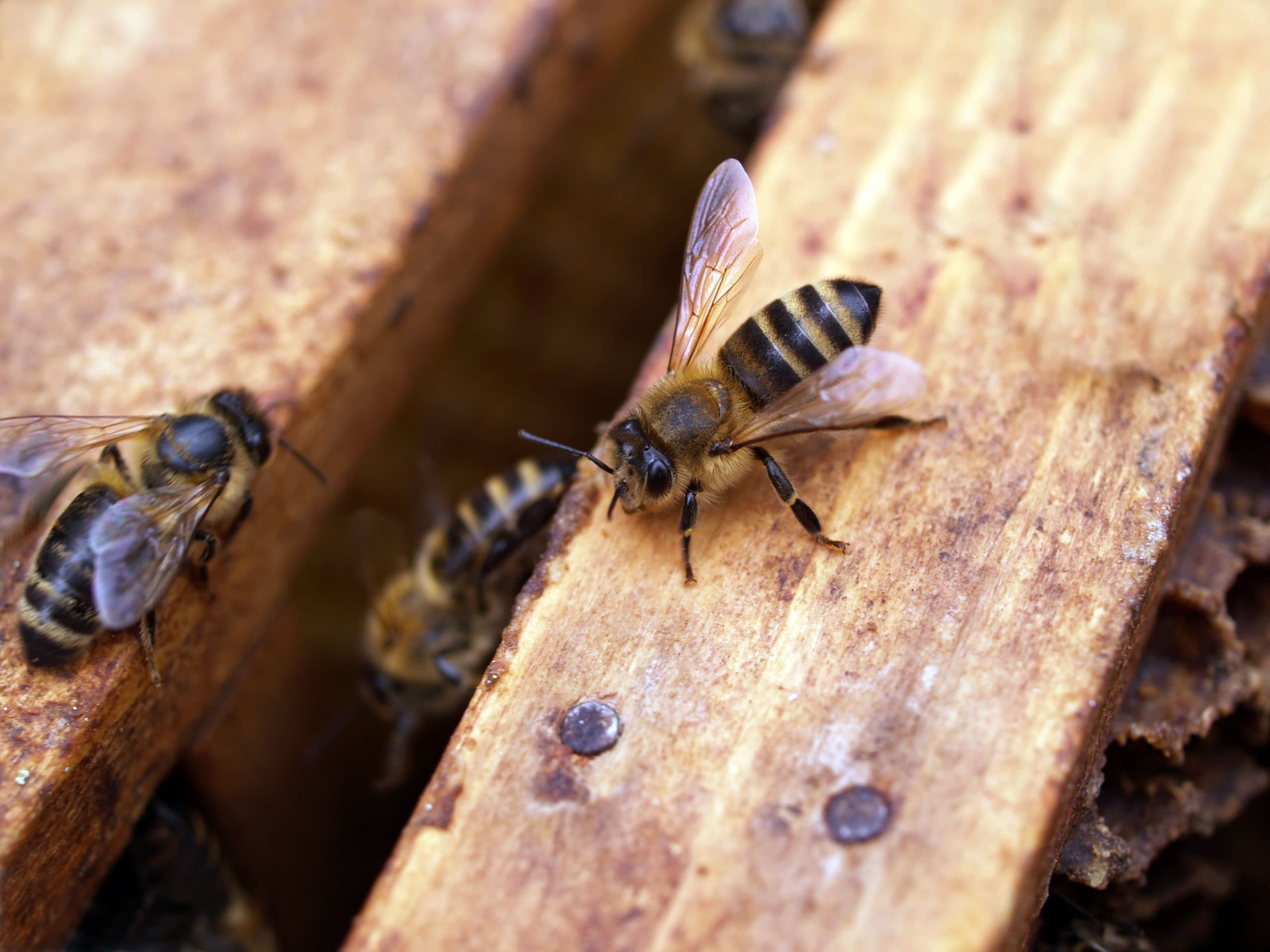
Coventry City Council’s wasp season guidance is useful because it highlights the importance of identifying whether you have a wasp nest or a beehive before arranging treatment. That point matters everywhere, not only in Coventry. Local advice can vary, but identification should come before booking or disturbing a nest. Bees and wasps need different handling, and guessing can lead to the wrong action.
Understanding the types of wasps UK homes may attract is useful, but the safest decision usually depends on nest location, activity level and timing.
Contact the Clear Pest Control Team Early
The Clear Pest Control Team can help identify wasp activity around homes and businesses, explain whether removal is needed, and advise on the safest next step before the nest becomes harder to manage.
Early advice is usually safer than waiting until a nest becomes larger and harder to avoid. That is the main reason early season removal matters.
FAQs
Can wasp nest damage house UK?
A wasp nest does not usually damage a house in the same way as damp, rot or woodworm. The bigger concern is where the nest is located, whether wasps are entering the building, and whether the access point creates a safety risk. Do not block an active entrance without advice.
Should I kill a wasp in my house?
If it is only one wasp, it is usually better to stay calm, open a window where safe, and guide it out. If wasps keep appearing inside, check whether they are entering from a fireplace, vent, roof void, wall gap or nearby nest.
What happens if you kill a wasp in your house?
Killing one wasp indoors usually does not solve anything if there is a nest nearby. If more wasps keep appearing, the useful step is to find the access point rather than focus on one insect.
Should I get rid of a ground wasp nest in South Tyneside?
A ground wasp nest in South Tyneside can be risky if it is close to paths, lawns, pets, children, garden seating or business entrances. Ground nests are easy to step near or disturb by accident, so professional advice is sensible when the area is regularly used.