Seeing a moth indoors now and then is normal. Many moths come in through open windows, follow light, or wander in from the garden. One moth in the hallway is usually not a household crisis. Sometimes it is just a tiny night visitor making poor navigation choices.
It becomes worth looking closer when moths keep appearing in the same rooms, especially near wardrobes, carpets, drawers, stored fabrics, food cupboards, skirting boards or dark corners. The problem is not always the flying moth you see, but what may be developing quietly out of sight.
In this article, Clear Pest Control explains the moths you may commonly notice indoors, how to tell when they are harmless visitors, and when they may be a sign of hidden eggs, larvae or fabric damage.
Moth Types Found In and Around the Home

Image by @Egor Kamelev
There are many moth species in the UK, and most are not household pests. Butterfly Conservation’s Moths Matter guidance says the UK has around 2,500 moth species, with moths playing important roles in pollination, food chains and wider biodiversity.
The type of moth matters more than the fact that a moth is indoors. Some moths are harmless outdoor visitors, some are linked to carpets and clothing, some belong in food cupboards, and some are garden insects that have nothing to do with fabric damage.
At its simplest, what is a moth? A moth is an insect closely related to butterflies.
Moths That Damage Clothes and Carpets
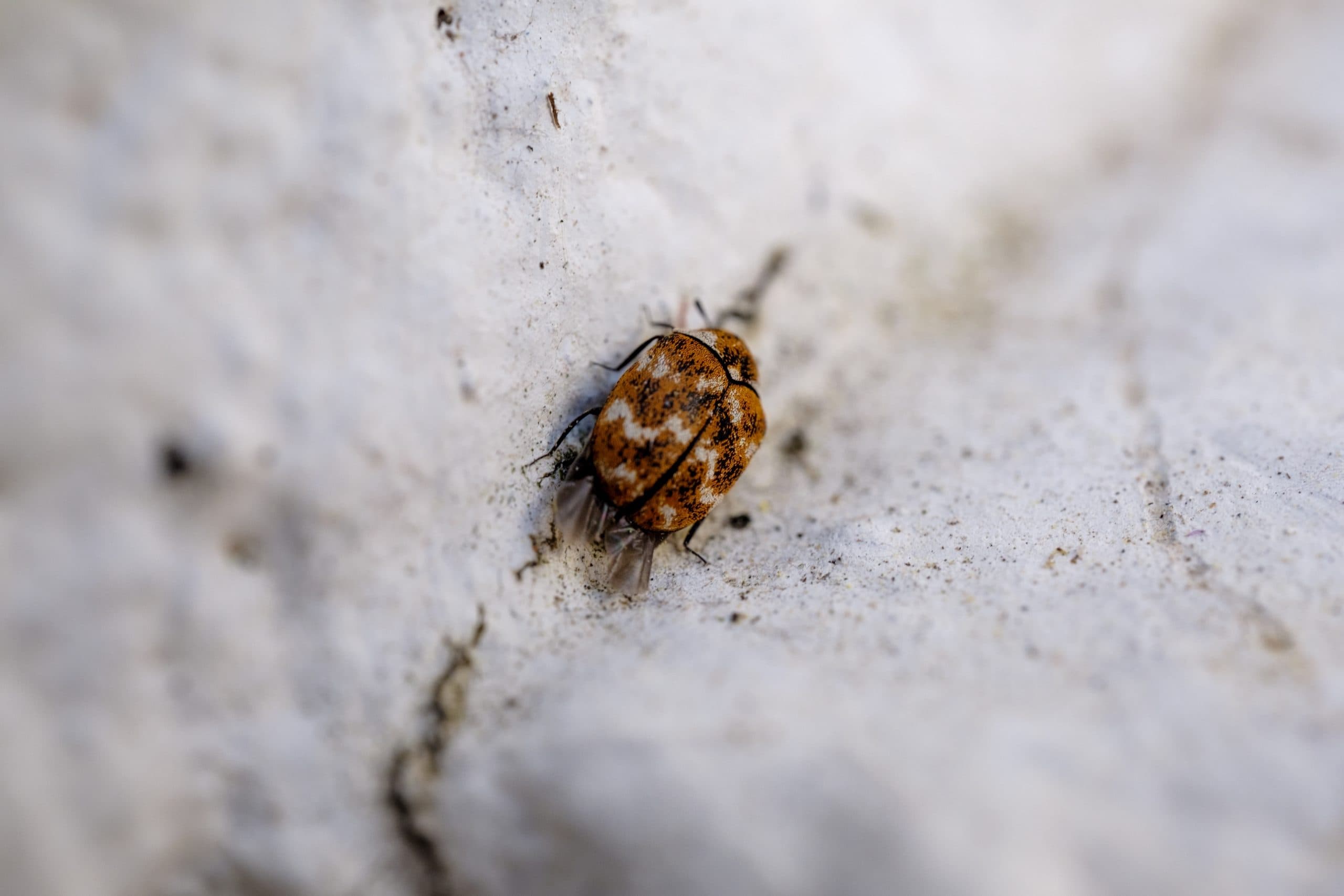
Carpet moth and clothes moth are two names you may come across when small moths appear around textiles. Carpet moth activity is often noticed around wool carpets, rugs, skirting boards, floor edges, under furniture and rooms that are not disturbed often.
The clothes moth identification guide from the Natural History Museum explains that females lay eggs within natural fibres, and that larvae are linked to feeding damage. English Heritage clothes moth guidance also notes that key UK pest species can damage carpets, clothes, upholstery, textiles and animal-based materials.
The adult moth is often the warning sign; the hidden moth larvae are usually what damage carpets and clothes.
Look for These Signs Before You Assume It Is Serious
One random moth does not prove there is an infestation. Repeated signs are more useful. Look for small moths appearing in the same area, uneven holes in natural fabrics, thinning carpet patches, webbing, cases, shed skins or fine debris around quiet corners.
Moth eggs are very small, so they are easy to miss. Moth larvae are more important to find because they are the stage most closely linked to damage. Museum Wales’ clothes moth guidance is useful here because it shows why managing clothes moths means thinking about eggs and larvae, not just visible adults.
If fabrics are being damaged, check the quiet places where larvae may be feeding.
Why Do Moths Suddenly Appear Indoors?
Moths can feel like they appear from nowhere because the hidden stages may have been developing before the adults were noticed. Warm indoor spaces, low light, stored fabrics and undisturbed rooms can all make activity easier to miss at first.
How long does a moth live? Most adult moths live for around 1 to 4 weeks, depending on the species, temperature and access to suitable conditions. With carpet moth or clothes moth activity, though, the full life cycle matters more than the adult lifespan because the larvae can spend weeks or months feeding on wool, carpets, stored fabrics or natural fibres before they pupate.
The Natural History Museum notes that warmer conditions can affect how quickly clothes moth eggs hatch, while larvae are the stage associated with feeding on natural fibres.
Moths can seem sudden because the problem may begin before anything is flying around the room.
Check the Room Where the Moth Appears

Image by @Alexey Demidov
The room often tells you more than the moth’s colour. Moths near wardrobes, drawers and stored clothes may suggest clothes moth activity. Moths near wool carpets, rugs and floor edges may point towards carpet moth activity.
A pantry moth is different. Pantry moth activity is usually linked to stored food, such as flour, grains, cereals, nuts, seeds or dried goods. That belongs in the kitchen-cupboard conversation, not the wardrobe conversation.
A red moth or a large moth near a window may simply be an outdoor visitor. Even the biggest moth in the room does not automatically mean a household pest problem. Size can be dramatic, but damage signs matter more indoors.
The best clue is not always what the moth looks like, but where it keeps appearing.
Do Not Confuse House Moths With Garden Moths
Not every named moth belongs in a house-pest article. A silk moth, for example, is known for silk production and is not the usual cause of UK household textile damage. It may be interesting, but it is not normally the moth chewing through your jumper.
You may also come across searches for box tree moth when the issue is actually box tree moth. RHS guidance treats box tree caterpillar and box tree moth as a garden plant issue linked to box plants, not the same as carpet moth or clothes moth activity indoors.
Garden moths can be valuable outdoors. They may pollinate plants, feed wildlife and support a healthy garden ecosystem. The issue is separating normal outdoor moth activity from indoor textile or food damage.
Want to understand more about common pest problems before deciding what to do next? Visit the Clear Pest Control Blog for practical advice on identifying, preventing and dealing with household pests across the North East.
Are Moths Dangerous to People?
Moths are not normally biting household pests. They do not hunt people, attack in the night, or behave like bed bugs. The main problem with indoor pest moths is usually damage to fabrics or stored food, depending on the species.
Can moths kill you in your sleep? No. That is internet horror, not a normal UK household risk. If there are bite-like marks on the skin, it is more sensible to consider other insects, irritation or a medical cause rather than blaming the nearest moth.
What happens if you get bitten by a moth in Sunderland, UK? In ordinary household situations, moths are not known for biting people. If a mark is painful, spreading, infected or worrying, medical advice is more useful than moth detective work.
Moths are not the danger; hidden textile or food damage is usually the real concern indoors.
The Benefits of Moths
Moths are easy to dislike once they are near your clothes, but outdoors they are important insects. Butterfly Conservation explains that moths support food chains, pollination and healthy ecosystems.
What is the purpose of a moth? Moths help pollinate plants, provide food for birds and bats, and form part of wider biodiversity. RHS guidance also describes moths as valuable parts of garden ecosystems.
In culture, moths are often linked with attraction to light, change or transformation. In the home, though, signs and species matter more than symbolism. A moth near a lamp may be poetic; holes in a wool carpet are more practical.
Moths are useful outdoors, even though certain indoor species can become a household problem.
Know When Moths in the House Become a Problem

Image by @Ali Goode
Moths in the house become a problem when the signs repeat or damage appears. One moth near a window is very different from several small moths appearing near carpets, wardrobes or stored fabrics over several days.
A carpet moth problem may show as thinning patches, loose fibres or damage around the edges of wool carpets and rugs. A clothes moth problem may show as holes in wool, silk, cashmere, fur, feathers or stored garments.
A search for moth pest control near me often starts when cleaning, washing or moving stored items does not stop the signs. A moth exterminator near me may be needed when moth activity is established across carpets, wardrobes, loft storage or several rooms.
Moths become a problem when sightings repeat, hidden larvae are present, or carpets, clothing or stored food start showing damage.
Be Careful With Moth Balls
Moth balls are often mentioned as an old solution, but they should not be treated casually. What are moth balls? They are chemical repellent products historically used around stored clothes and fabrics.
What are moth balls made of? Some older or unsafe products have been associated with naphthalene. GOV.UK’s naphthalene toxicological overview explains that home exposure to naphthalene was historically linked to mothballs, but that this use has become less common because of toxicity and flammability concerns.
Product safety reports have also flagged some naphthalene mothball products as a serious chemical risk. Safer control starts with identifying the moth, finding the source and dealing with eggs, larvae and affected materials properly. To check the original product safety notice, you can view or download the report here.
Contact Clear Pest Control if the Signs Keep Returning
Contact Clear Pest Control if moth activity keeps returning, if carpets or clothing are being damaged, or if you are unsure whether you are dealing with carpet moth, clothes moth or another indoor species.
Professional advice is especially useful when larvae, eggs, webbing or fabric damage are found, when moths are spreading between rooms, or when pantry moth activity is affecting stored food cupboards.
The earlier the source is identified, the easier it is to stop moth activity spreading through fabrics, rooms or storage areas.
FAQs
What is a moth?
A moth is an insect closely related to butterflies. There are many moth species in the UK, and most are harmless outdoors. Only certain indoor species become a problem for carpets, clothes or stored food.
How long does a moth live?
Most adult moths live for around 1 to 4 weeks, depending on the species, temperature and indoor conditions. For household pest moths, the full moth life cycle matters more than the adult lifespan because eggs and larvae may already be present before adults are noticed.
What does a moth look like?
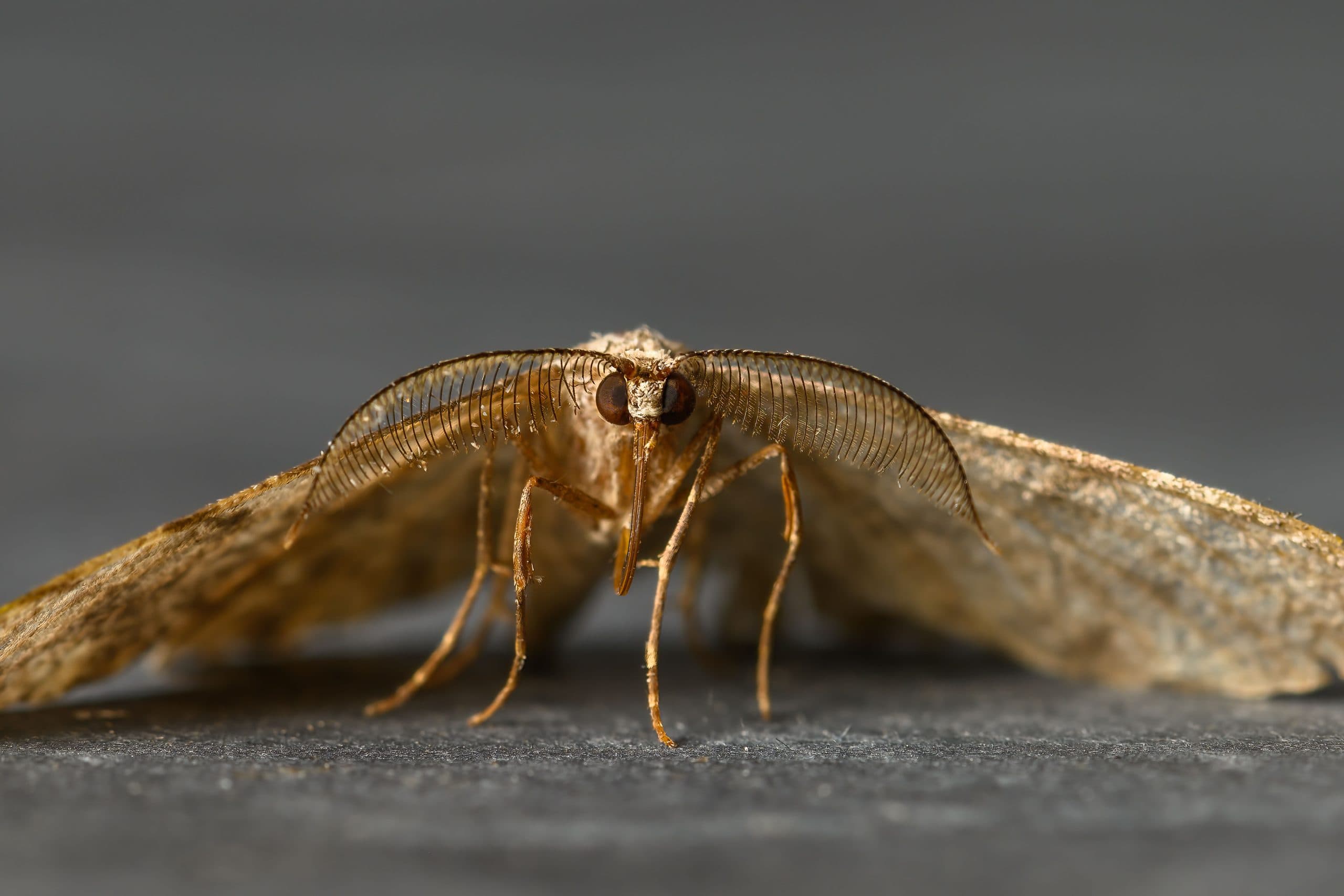
Moths usually have soft bodies, scaled wings and antennae. They vary widely in size, shape and colour, so appearance alone is not enough to confirm whether a moth is a household pest.
What does a moth symbolize?
Moths are often linked with attraction to light, change or transformation. In a home, though, practical signs matter more than symbolism, especially if moths keep appearing near carpets, clothes or stored food.
What is the purpose of a moth?
Moths help pollinate plants, feed wildlife and support biodiversity. They are useful outdoor insects, even though some species can become a problem indoors.
Can moths kill you in your sleep?
No. Moths do not kill people in their sleep. The real concern with indoor pest moths is usually damage to textiles or stored food, not direct harm to people.
What are moth balls?
Moth balls are chemical repellent products historically used to deter moths from stored clothes and fabrics. They should be treated carefully because some older products are linked to chemical safety concerns.
What are moth balls made of?
Some moth balls have been associated with naphthalene, a chemical discussed in GOV.UK toxicological guidance. Because of toxicity and flammability concerns, moth balls should not be treated as a casual household fix.
Why do I suddenly have clothes moths in Newcastle upon Tyne?
You may suddenly notice clothes moths in Newcastle upon Tyne because adults have emerged after eggs and larvae developed quietly in stored fabrics, wardrobes, drawers or undisturbed rooms. Warm indoor conditions and natural fibres can make the activity easier to miss until adults appear.
What happens if you get bitten by a moth in Sunderland, UK?
Moths are not typical biting pests in Sunderland, UK homes. If you have a bite-like mark, it is more likely to be another insect, skin irritation or a medical issue. If moths are present, still check fabrics and stored items for signs of larvae or damage.