A fox in the garden is not always bad news. In many North East homes, the first sighting is just a surprise visitor cutting through at night, usually more interested in bins, shelter or a quiet route than causing trouble.
The problem is the repeat visit. When fouling, digging, disturbed bins, loud calls or signs of shelter keep appearing in the same places, the garden may have become part of the fox’s regular routine.
This article by Clear Pest Control explains why foxes visit gardens in North East England, which signs are worth checking, which risks are often exaggerated, and when repeated activity may need practical advice.
Fox Activity Around North East Gardens

North East gardens can offer foxes exactly what they need: food, shelter, quiet corners and safe routes between spaces. Gardens that provide food and shelter for foxes may also attract birds, especially where feeding stations, nesting areas or accessible waste are present. Terraces, back lanes, mature gardens, allotments, sheds, decking, business yards and railway edges can all become part of a regular night-time route.
The Natural History Museum’s guide to urban foxes explains that foxes adapt well to towns and suburbs, using food and shelter where they can find them. That is why a fox sighting in a built-up area is not unusual.
The problem usually starts when a fox stops passing through and begins using the garden as part of its routine. An urban fox may be confident around people, but confidence is not the same as danger.
If visits keep happening in the same place, look at what may be encouraging the pattern. Food, shelter, access under fences and quiet spaces can all turn a quick visit into a regular habit.
The Red Fox Behind Most Garden Sightings
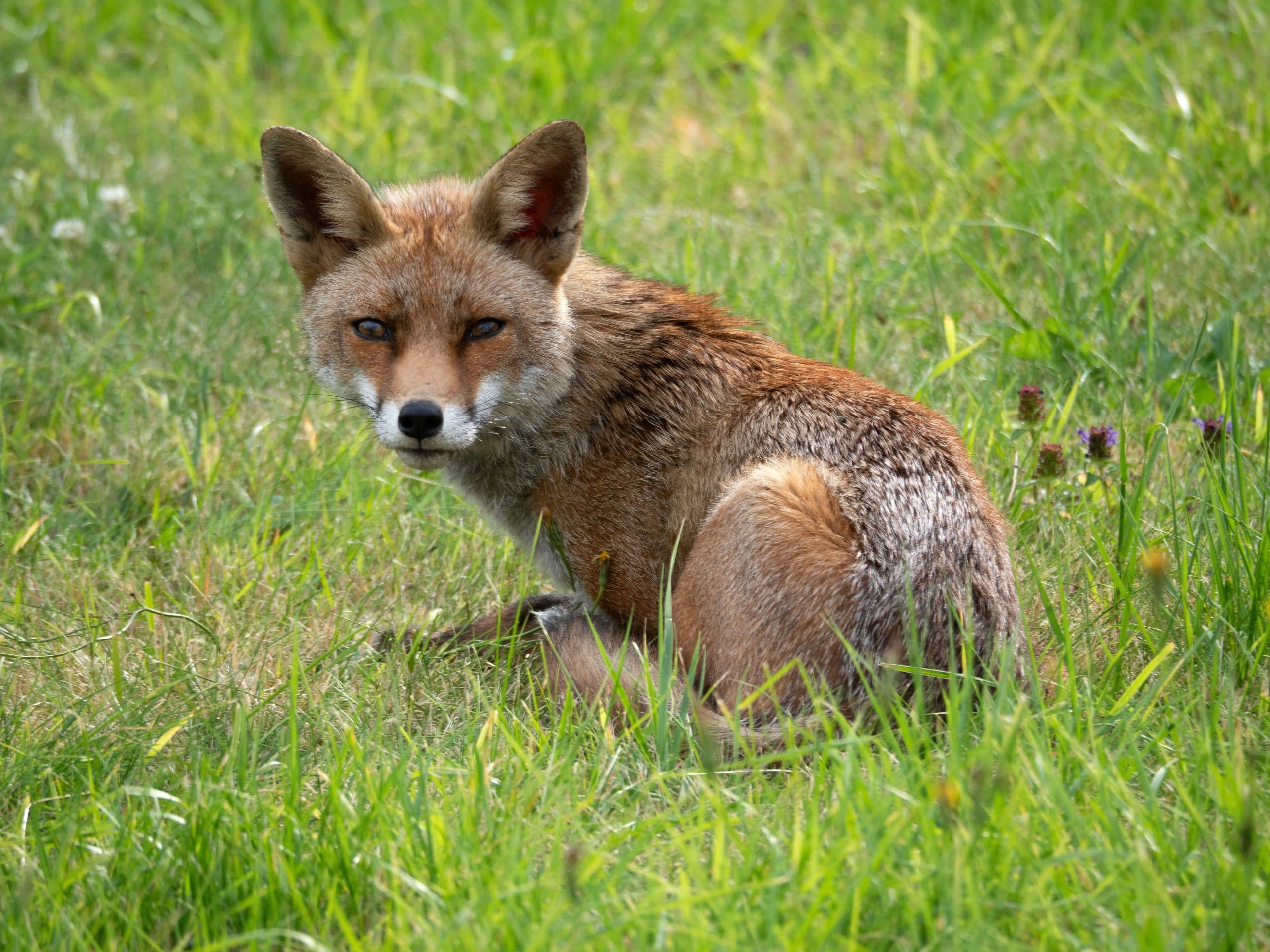
Most UK garden sightings involve the red fox. The familiar signs are a pointed face, bushy tail, reddish-brown coat, dark legs and ears, and often a pale or white tail tip.
The Wildlife Trusts’ red fox guide is useful for identification because it describes the red fox as a familiar UK mammal found in both town and countryside. Colour can vary, and some foxes may look darker, scruffier or thinner than the neat picture people have in mind.
Most garden sightings are red fox activity, even when the animal looks slightly different from the classic fox. They may be seen at dusk, overnight or early in the morning, although daytime sightings can happen too.
A single sighting is usually less important than the pattern. If the same fox keeps using the same fence line, gap, shed base or bin area, the garden may be offering something useful.
Food Sources and Shelter Spots
Foxes usually return because the garden gives them food, shelter or a reliable route. They may be drawn by open bins, compost, fallen fruit, bird food, pet food, rodents, insects or quiet spaces under sheds and decking. The same food sources and sheltered areas that attract foxes can also encourage others pests such as rats, particularly around overflowing bins, compost heaps and outdoor feeding areas.
Foxes in garden spaces often become more noticeable when the same reward is available night after night. If the bin area is easy to access, or a gap under the fence gives safe cover, the animal has a reason to keep coming back.
Should you feed wild foxes? Routine feeding is generally discouraged because it can encourage repeat visits, reduce natural caution and create tension with neighbours if the animals begin digging, fouling or visiting nearby gardens.The Red Fox Behind Most Garden Sightings
RSPCA fox guidance explains practical ways to reduce unwanted visits, including removing food sources and blocking access to shelter where it is safe and humane to do so.
Repeat visits usually happen because the garden continues to provide food, shelter or an easy route.
Droppings, Holes and Other Garden Signs

Fox poo in garden areas can be one of the most obvious signs because it is often strong-smelling and may be left in visible places. It can appear on lawns, paths, decking, gravel, patios or near regular routes.
Digging is another common clue. Fox holes in garden beds, lawns or under fences may be linked to food searching, access routes, soft soil or attempts to reach shelter.
The signs matter most when they repeat in the same places. One disturbed patch may be hard to judge, but regular fouling, repeated digging or the same route through the fence tells a clearer story.
The aim is not to panic over every mark in the garden. It is to work out whether the signs are occasional, seasonal or part of a pattern that is becoming harder to live with.
For more practical pest advice, seasonal guides and identification tips, explore the Clear Pest Control Blog.
Fox Dens Under Sheds and Decking
A fox den in garden spaces may appear under sheds, decking, garages, outbuildings, dense shrubs or quiet corners where the animal feels sheltered. These spaces are attractive because they are dark, protected and often left alone. These sheltered garden features can also appeal to squirrels, which may nest in lofts, sheds or mature trees close to the property.
A fox den is different from a fox passing through. Blocking an active den can create a welfare problem, especially if cubs are present. If a den is suspected, avoid sealing gaps or disturbing the area without advice.
Night Noises and Screaming Calls
Fox noises can sound strange if you are not used to them. Barks, screams, whines and sharp calls may carry through a quiet street, especially late at night.
The Natural History Museum explains that fox screams are mostly heard at night, when foxes are active, and that vixen calls are strongly linked with breeding season. That helps explain why some sounds seem louder or more frequent at certain times of year.
Fox screaming at night can be alarming, but it is usually communication rather than a sign that something terrible is happening in the garden. It may be linked with territory, contact calls or breeding behaviour.
Fox Risks Around Homes
Are foxes dangerous? Usually, the practical risks around homes are mess, digging, food scavenging, denning and pet safety rather than attacks on people. These wild animals are generally wary of humans, even if urban animals sometimes seem bold.
Do foxes attack humans? Attacks are very rare, but any wild animal can bite or scratch if cornered, trapped, injured or handled. That is why distance and common sense matter.
A regular visitor to the garden is usually not a threat to people, but repeated close activity should still be managed sensibly. Avoid hand-feeding, trying to touch a fox, or trapping it into a confined space.
If the animal appears sick, injured or unusually unafraid, keep children and pets away and seek advice from a suitable wildlife or local authority route.
Foxes, Cats and Small Pets

Do foxes eat cats? It is not the usual concern in most gardens. Foxes and cats often avoid each other, and many cats are capable of keeping their distance.
The bigger concern is with smaller outdoor pets. Rabbits, guinea pigs, poultry and birds should have secure housing, especially overnight. A lightweight run, loose hutch or damaged enclosure can create risk.
The bigger pet risk is usually small outdoor animals in insecure enclosures, not a fox hunting every cat in the street. Pet food left outside can also encourage return visits.
Clear Pest Control Newcastle can help where repeated fox activity is affecting gardens, yards, bins, sheds or shared outdoor spaces, especially when the source of the problem is unclear.
Dead Fox Reporting and Local Advice
What to do with dead fox in garden UK? Keep children and pets away, avoid handling it directly, and contact your local council for advice on removal or reporting.
GOV.UK guidance explains that any foxes caught are protected under the Animal Welfare Act 2006, and causing unnecessary suffering can lead to serious penalties.
A dead fox on private property may be handled differently from one on a road or public space, so local council advice is important. If the fox is injured rather than dead, contact an appropriate animal welfare or wildlife rescue service.
Dead or injured foxes should be handled through the right local route, not moved casually.
Urban Fox Problems Across Newcastle, Sunderland and Tyneside
North East gardens and outdoor spaces vary a lot, but the same fox patterns often apply. Terraced streets, back lanes, shared yards, older sheds, decking, bins, allotments, riverside corridors and suburban gardens can all give foxes routes and shelter.
Fox control Newcastle may become relevant when foxes repeatedly disturb bins, foul garden areas or use a property as part of a regular route. In busy residential or commercial spaces, the issue is often a repeated mess rather than one fox sighting.
Fox control Newcastle upon Tyne near me is often searched when a garden issue has moved beyond curiosity into regular disruption. In North East gardens, the problem is usually the pattern: repeated fouling, digging, denning, bin disturbance or night noise in the same place.
Use This Quick Fox Activity Checklist

Before assuming the garden has a serious fox problem, check the pattern. A single sighting is one thing; repeated behaviour gives a much clearer picture.
Ask these questions as you check:
- Is the same animal using the same route through the garden most nights? Regular movement suggests the garden has become part of a route.
- Is fouling appearing repeatedly in the same area? Repeated mess is more useful to track than one isolated dropping.
- Are bins, compost, bird food or pet food attracting visits? Food sources often explain why they return.
- Are there holes in beds, lawns or under fences? Digging may be linked to food, access or shelter.
- Could there be a den under a shed, decking or outbuilding? Repeated entry and disturbed soil may need closer attention.
- Are loud night calls happening repeatedly? Seasonal calling can be normal, but regular disturbance may still need managing.
- Are small pets housed securely overnight? Rabbits, guinea pigs and poultry should be properly protected.
- Is the activity affecting neighbours, customers, children or shared access? This is where a garden visit can become a wider issue.
- Have simple changes, such as removing food sources and securing bins, made any difference? If not, the source may need more careful checking.
One visitor passing through may not mean much, but repeated fouling, digging, denning, bin disturbance or night activity shows the garden may be becoming part of its routine.
About Clear Pest Control and Local Fox Advice
The About Clear Pest Control page explains that the company provides pest management and environmental services for homes and businesses, with a focus on safe treatments, fast response, eco-responsible methods and transparent pricing.
Good wildlife management advice starts with understanding what is attracting the animal before choosing any action. That means looking at food sources, access points, shelter, repeated signs and whether the activity is affecting how the space is used.
Contact us or email Clear Pest Control at info@clear-pest-control.co.uk with clear photos, a short video or a description of what you are seeing. Include where the signs appear, how often the fox returns, and whether there is digging, fouling, denning, night noise or risk to pets.
FAQs
Are foxes dangerous?
Foxes are not usually dangerous to people. Around homes, the main concerns are usually fouling, digging, denning, bins, pets and repeated close activity rather than attacks.
Do foxes attack humans?
Fox attacks on humans are very rare. A fox may bite or scratch if cornered, trapped, injured or handled, so it is best to keep distance and avoid direct contact.
Do foxes eat cats?
Foxes do not usually hunt cats in most garden situations. The bigger pet risk is usually small outdoor animals such as rabbits, guinea pigs, poultry or birds in insecure housing.
Should you feed wild foxes?
Routine feeding is best avoided because it can encourage repeat visits, reduce natural caution and create problems with neighbours if foxes begin digging, fouling or visiting nearby gardens.
What to do with dead fox in garden UK?
Keep children and pets away, avoid handling the animal directly, and contact your local council for advice. GOV.UK’s dead animal reporting page is a useful starting point for public places.