Birds are part of everyday life in the North East. A blackbird on the lawn, starlings chattering in a hedge, pigeons on a roofline, or gulls circling above a town centre can all feel completely normal. Most of the time, it is just wildlife getting on with the day.
The question changes when birds keep coming back to the same place. Droppings under one ledge, nesting material in a gutter, or pigeons settling overnight on signage can suggest the activity is no longer just a passing visit.
Once you understand the difference between normal bird activity and repeated building use, it becomes much easier to know when there may be a problem. This Clear Pest Control guide explains which birds commonly cause issues, what a bird nest can mean, how the rules around wild birds in the UK affect what can be done, and when repeated activity may need proper advice.
Bird Activity Around Homes and Buildings

Birds are normal around gardens, roofs, yards, commercial buildings and town centres. A few birds feeding, flying through or resting briefly should not be treated as a pest issue.
The concern starts when birds repeatedly use the same building feature. Ledges, gutters, chimneys, vents, roof voids, signage, solar panels and sheltered corners can all become regular roosting or nesting spots. Roof spaces and older buildings may also be affected by woodworm or ants, so any signs of additional pest activity should be investigated.
The RSPB Bird A–Z is useful for identifying common birds readers may see around gardens, buildings and public spaces before assuming every bird is a problem.
The issue is whether birds are repeatedly using the building in a way that creates mess, damage or risk. That is where ordinary UK birds can become a practical property concern.
Pigeons, Gulls and Starlings in the North East
Pigeons often become an issue around ledges, bridges, warehouses, roof edges, signs and sheltered building faces. They may roost in the same places repeatedly, leaving droppings below and creating ongoing mess around entrances, paths, vehicles or customer areas.
Gulls can become more noticeable around rooftops, especially during nesting season. RSPB guidance on gulls and people is useful because it explains why gulls can become more defensive or difficult to live around when they are nesting close to people.
In the North East, bird problems are often tied to buildings: ledges, rooflines, gutters, voids, signage and sheltered nesting points. Bird pest control Newcastle may become relevant when pigeons, gulls or starlings repeatedly use the same roofline, ledge, gutter or business frontage.
Garden Birds and Building Birds Are Not the Same Problem
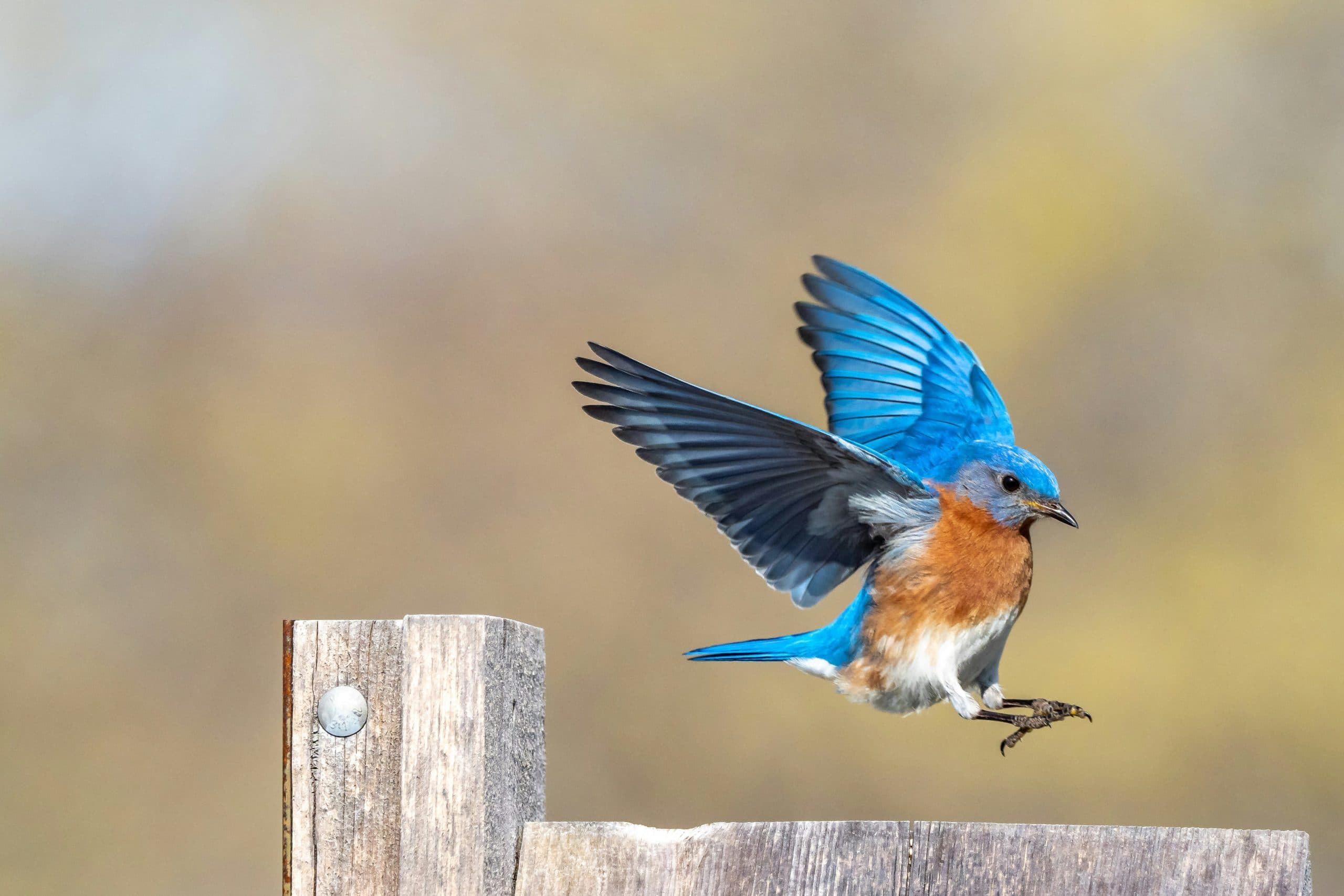
Garden birds UK activity is often normal, seasonal and welcome. Feeders, lawns, hedges, shrubs and trees can attract small birds UK homeowners enjoy seeing through the window.
BTO Garden BirdWatch is useful because it frames garden bird sightings as part of wider UK bird monitoring, not automatically a pest issue. That distinction matters because a bird in a hedge is not the same as birds nesting in a blocked gutter.
Black birds UK searches often refer to blackbirds, which are common garden birds rather than pest birds. They may feed on lawns, nest in shrubs, and move through gardens without causing a property issue.
Garden birds UK identification becomes useful when you are unsure whether you are seeing harmless garden activity or a species repeatedly using a building. A bird in the garden is usually wildlife; a bird repeatedly nesting, roosting or fouling on a building may become a property issue.
Types of Birds UK Properties Commonly Attract

Different types of birds UK properties attract can create different problems. The species matters, but the location and pattern often matter more.
Pigeons are usually linked with ledges, roofs, droppings and repeated roosting. Gulls can be linked with rooftops, noise, mess and defensive behaviour near nests. Starlings may be linked with roof gaps, eaves, cavities, noise and nesting material.
BTO BirdFacts is useful for species-level details such as diet, breeding behaviour, lifespan and UK status. This is helpful when identifying whether the bird is likely to be a pigeon, gull, starling or one of the common garden species.
The bird type matters, but the location of the activity usually decides whether it becomes a problem. A blackbird feeding on a lawn and a pigeon fouling above a shop entrance should not be treated the same way.
Types of Birds UK Properties Commonly Attract
Different types of birds UK properties attract can create different issues, but not every bird near a home or business is a pest problem. This section is more about identification and context: knowing what you are seeing before deciding whether the activity needs advice.
BTO BirdFacts is useful for species-level details such as diet, breeding behaviour, lifespan and UK status. This can help when identifying whether the bird is likely to be a pigeon, gull, starling or one of the common garden species.
Pigeons
Pigeons are among the most familiar urban birds in the UK. They are adaptable, comfortable around people, and often seen in towns, high streets, transport areas, older buildings and public spaces.
Gulls
Gulls are strongly associated with coastal areas, but they are also common around inland towns, rooftops, car parks, food areas and busy urban spaces. In the North East, they can be especially noticeable in coastal towns and town centres.
Starlings
Starlings are common UK birds known for gathering in groups, feeding on lawns and creating impressive murmurations. They can look harmless in the garden, but repeated building activity can still become a practical issue.
Bird Nests, Roof Spaces and Gutters

A birds nest may appear in gutters, eaves, chimneys, vents, roof spaces, signage, solar panels, dense hedges or sheltered corners of a building. Some nests are easy to see, while others are only suspected because of noise, repeated movement or nesting material.
Nesting birds can create practical problems when nest material blocks gutters, drainage channels or ventilation points. Noise, droppings, chicks and repeated access can also make the area harder to manage.
The Wildlife and Countryside Act 1981 by Legislation.gov.uk is the core legal reference for wild birds, nests and eggs in England and Wales. That is why nest status matters before anyone removes, blocks or disturbs an area.
An active nest changes the situation because bird activity becomes both a property issue and a legal/welfare issue. If eggs or young birds may be present, advice should come before action.
What Birds Eat Around Gardens and Buildings
What do birds eat? It depends on the species, but garden and urban birds may feed on seeds, insects, worms, fruit, scraps and easy food sources around people.
RSPB bird feeding guidance is useful for explaining why food sources shape bird behaviour in gardens and why accessible food can bring birds back to the same area. Feeders, open bins, food waste, outdoor seating and dropped food can all affect where birds gather.
Do birds eat grass seed? Some birds may take seed from lawns or newly seeded areas, which is one reason fresh grass seed can attract attention. This is usually a garden-management concern rather than a pest emergency.
Food is often what brings birds close; nesting and roosting are what make the problem harder to ignore. A bird feeding in the garden may leave naturally. A bird nesting in a gutter may keep returning until the season and nest status are handled correctly.
For more practical advice on identifying pests, preventing infestations and protecting your property, explore the Clear Pest Control Blog.
Bird Lifespan, Roosting and Sleeping Spots
How long do birds live? The answer depends completely on the species. Some small birds may live only a few years, while some gulls and pigeons can live much longer in favourable conditions.
Where do birds sleep? Many use trees, hedges, rooflines, ledges, cavities, dense vegetation or sheltered building features, depending on the species and season.
Regular roosting can create a practical problem even when there is no nest. Birds sleeping on the same ledge or frontage can mean repeated droppings, staining, smells and mess below.
Repeated roosting matters because the same sleeping spot can mean repeated droppings, noise and cleaning problems. That is why the pattern matters as much as the bird itself.
Hedge Cutting and Nesting Season
Hedges can be important nesting spaces, especially for small garden birds. Cutting at the wrong time can disturb active nests, which is why the timing and checks matter.
When to cut hedges to avoid nesting birds? The safest practical approach is to avoid cutting during the main nesting season where possible and check carefully before hedge work begins. Nesting dates can vary by species, weather and location, so a quick glance is not always enough.
GOV.UK hedgerow management guidance is useful for responsible hedge work, while the Wildlife and Countryside Act 1981 provides the legal context around wild birds, nests and eggs.
If birds are actively nesting, hedge cutting should wait unless proper legal advice says otherwise. The nest may be small, hidden and easy to miss until work has already started.
Legal Bird Control in the UK

Rules around wild birds UK matter because bird control is not a simple “remove it because it is inconvenient” situation. The species, reason, method, timing and licence conditions all matter. GOV.UK guidance says all wild bird species, their eggs and nests are protected by law, and that non-harmful measures should be considered before any action that may harm birds.
What birds can you legally shoot in the UK? Wild bird control depends on the species, purpose, method and licence conditions, so it should never be treated as a casual option.
Bird control is a legal process, not a guess-and-act situation. This is especially important where nesting birds, gulls, pigeons or starlings are active around buildings.
Problems Pest Birds Can Cause
Bird problems usually become serious when mess, nesting, access or hygiene risks keep returning in the same place. In some cases, properties experiencing ongoing bird activity may also encounter other pest issues, such as rats attracted by food waste or nesting materials, making a professional inspection worthwhile. A one-off bird dropping on a path is annoying. A ledge that is fouled every day is a different problem.
Common issues include droppings on paths, signs, cars, windows, entrances and outdoor seating areas. Nesting material can block gutters, drains, vents or roof spaces. Noise and movement can also become disruptive around homes, flats and businesses.
For commercial properties, bird activity can affect customer entrances, staff access, food areas, signs and public-facing spaces. A search for bird control near me often starts when droppings, nests or repeated roofline activity begin affecting daily use of the property.
Use This Quick Bird Activity Checklist
Before assuming there is a serious bird problem, check the pattern. Ask these questions as you check:
- Are birds returning to the same ledge, gutter, sign, roofline or chimney? Repeated use is more important than one brief visit.
- Is there nesting material in a gutter, vent, roof void or hedge? Nest material can create both legal and practical concerns.
- Are droppings building up near entrances, paths, windows, cars or customer areas? Repeated fouling can create cleaning, hygiene and slip concerns.
- Is there noise or movement from a roof space, eaves or cavity? This may suggest nesting or roosting.
- Are gulls becoming defensive around a roof or nesting area? Nesting gulls can be more noticeable and protective.
- Are pigeons roosting overnight on the same ledge or frontage? Overnight roosting can lead to daily mess below.
- Could the nest be active, with eggs or young birds present? Active nests should not be disturbed without proper advice.
- Is the activity affecting a business, food area, public access route or drainage? That is often when the issue needs closer attention.
If you are looking for Clear Pest Control in the North East, the key first step is to understand whether the bird activity is occasional, active nesting, repeated roosting or a building-access issue.
Contact Clear Pest Control for Bird Activity Advice
If birds are repeatedly nesting, roosting or fouling around a roofline, gutter, ledge, sign, chimney, solar panel or business entrance, it is better to get advice before blocking, removing or disturbing anything.
Contact us or send the Clear Pest Control email team clear photos or a short video at info@clear-pest-control.co.uk. Include where the activity is happening, how often the birds return, and whether nesting material is visible.
FAQs
What do birds eat?
Bird diets vary by species. Many garden and urban birds eat seeds, insects, worms, fruit, scraps or easy food sources around people.
How long do birds live?
It depends on the species. BTO BirdFacts is useful for checking bird-by-bird details because there is no single lifespan that applies to all birds.
What birds can you legally shoot in the UK?
Wild bird control depends on the species, purpose, method and licence conditions. It should never be treated as a casual option.
When to cut hedges to avoid nesting birds?
The safest approach is to avoid cutting during the main nesting season where possible and check carefully before hedge work. If birds are actively nesting, work should usually wait.
Where do birds sleep?
Birds may sleep in trees, hedges, rooflines, ledges, cavities, dense vegetation or sheltered building features, depending on species and season.
Do birds eat grass seed?
Some birds may take grass seed, especially from newly seeded lawns. It is usually a garden issue rather than a pest emergency.